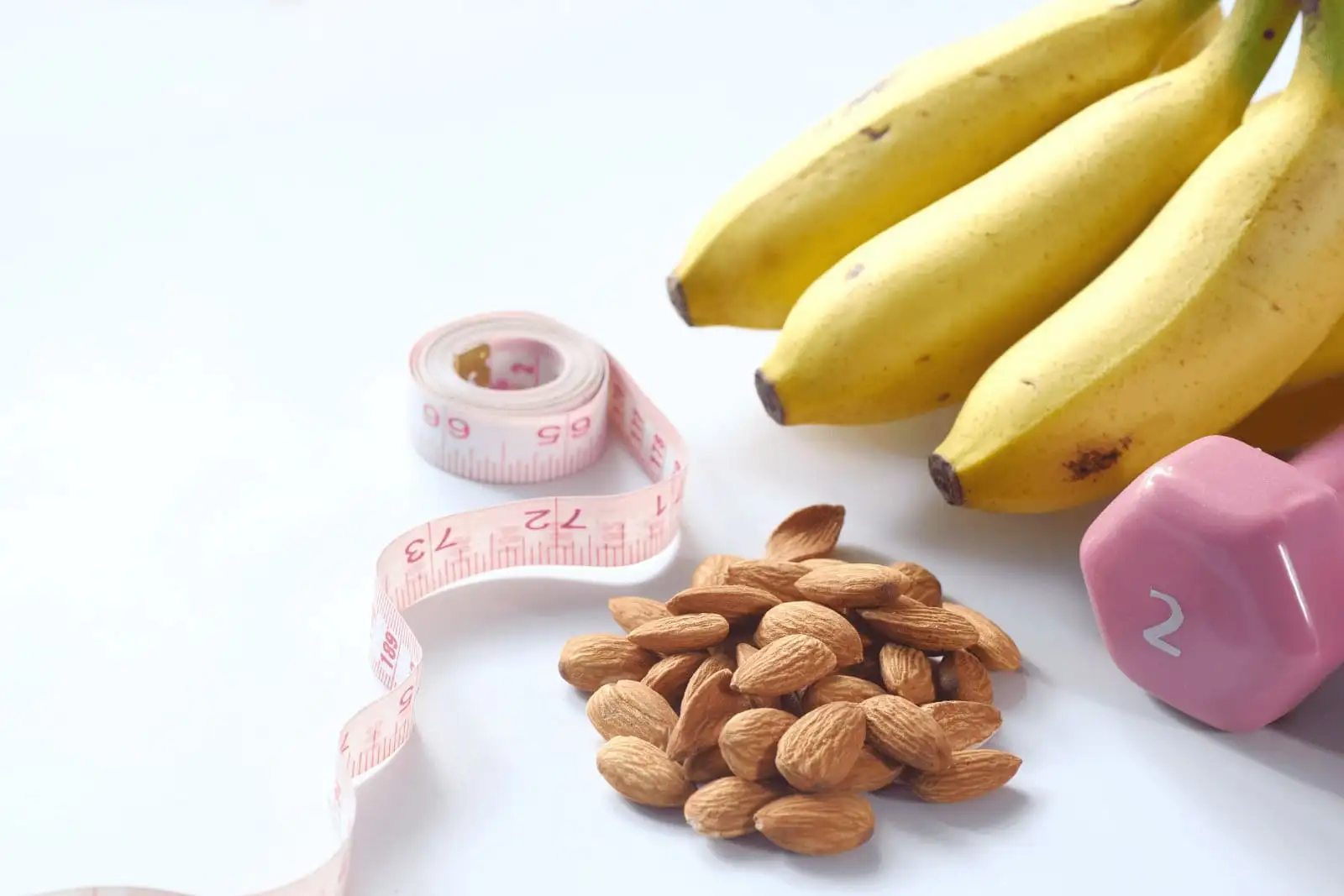
Naturopathic approaches provide comprehensive support for women seeking effective weight management. Tailored strategies focus on individual needs and hormonal balance, encouraging sustainable, healthy habits. With a deep understanding of women's health, solutions address not just physical weight but also emotional well-being. Transformative care begins with personalized assessments, empowering women to achieve their weight goals compassionately and holistically.

Common Causes of Weight Loss Resistance


  • Insulin resistance

  • Gut hormone imbalances and bacterial imbalance

  • Inflammation

  • Female and male sex hormone imbalances

  • Stress and burn out

  • Poor sleep

  • Poor thyroid function

  • Circadian rhythm disturbances

Section Image

Understanding Causes of Weight Management Issues

Various factors contribute to weight management challenges in women. Hormonal changes, dietary habits, and lifestyle stressors can significantly impact weight. Conditions like polycystic ovary syndrome (PCOS), perimenopause, menopause, and thyroid disorders often complicate weight regulation. Emotional factors such as stress and depression further contribute to weight fluctuations. Identifying these root causes is crucial for effective treatment. A focused assessment can uncover unique triggers and pave the way for personalized strategies, ensuring an individualized approach to sustainable weight management goals.

Section Image

Testing and Treatment for Effective Weight Management

A comprehensive evaluation is essential for effective weight management in women and lab testing helps take the guess work out of what is going on within the individual.


Lab test recommendations may include fasted insulin and glucose testing, digestive health tests, androgens, female sex hormones such as estradiol and progesterone, a full thyroid assessment, inflammation investigations and liver and cholesterol testing. Blood tests can reveal imbalances that impact weight and cause weight loss resistance. Based on this information, personalized treatment plans are developed, incorporating nutrition changes, supplements, and lifestyle changes. Ongoing monitoring ensures adaptability as weight management evolves. This strategic approach addresses individual needs, ensuring lasting changes and encouraging overall well-being.

Section Image

Nutrition for Women’s Weight Management

I frequently hear patients telling me that they are eating healthy but not seeing weight changes. The issue is, they may be eating healthy foods but not the right things for them. Or their macronutrients aren't balanced correctly for them, etc. Effective weight management requires a balanced diet tailored to women’s health needs. With my patient's I emphasize whole, nutrient-dense foods while considering hormonal health, metabolic needs, and personal preferences. Customized diet plans integrate essential nutrients, promoting energy, satiety, and sustainable weight loss. 

Section Image

How Hormonal Changes Affect Weight In Perimenopause & Menopause

Weight changes in a your 40s and 50s are something that happen, and can lead to a lot of frustration. Some women find that their typical exercise routines and dietary approaches aren’t working anymore. A slowing metabolism is to blame, but that’s not really the cause. It’s mostly hormonal shifts that are affecting how your body regulates blood sugar, stores fat, and controls appetite, all of which will impact your weight.


When estrogen drops in perimenopause and menopause, your insulin sensitivity takes a big hit. Estrogen plays a vital role in maintaining insulin sensitivity within your body. Many people are aware of blood sugar (glucose) but not as aware of insulin. Insulin is the hormone that allows the cells in your body to use glucose, sort of like a key to let glucose into the cell. Without insulin, you can’t use the sugar (glucose) in your blood. Insulin sensitivity is about how your body responds to blood sugar. If you become insulin resistant, your blood sugar stays higher, causing issues within your body, one of which is difficulty losing weight.  

When estrogen drops during perimenopause and menopause:

  • Your cells become more insulin resistant, causing blood sugar spikes.
  • These spikes promote fat storage, especially around the belly.
  • Inflammation increases, disrupting metabolism and hormone signalling.
  • Appetite hormones shift, increasing cravings and the risk of overeating.

FAQs

Frequently Asked Questions

Naturopathic weight management emphasizes holistic approaches, focusing on individual health needs and personalized strategies that promote sustainable, long-term results.

A detailed appointment to go over diet, lifestyle, and health history. A list of comprehensive lab testing will be discussed to further explore root causes and any blocks to weight loss. The treatment goals and timeline will vary based on individual goals, health status, and commitment to lifestyle changes. Nutritional advice will be discussed during the first appointment as well as specific targeted supplements.

Every patient is different in terms of their health status and goals. It really depends how an individual's metabolism is doing and what other health concerns you have regarding how strict a nutrition plan should be geared towards. However, overall I don't believe in rigidity and feel that everyone responds to a different approach. There is definite flexibility with nutrition goals because I believe that it's about making lifelong shifts that work for your body, and not about being unhappy with food an denying good food. I love food and love to help others find joy in discovering nutritious foods that work for their goals that they love as well.