I review your current lifestyle and look for ways to improve your habits to move towards feeling your best self. Stress and lifestyle counselling can have impacts on improving many conditions such as PCOS, PMS, weight management, hypothyroidism, perimenopause/menopause, etc. I offer guidance on balance in daily routines, dietary choices, and mental health strategies. Small changes can have a big impact.
Existing Patients & Follow Ups
Book Here


Lifestyle And Stress Counselling And Perimenopause/Menopause
I support women in mid-life transitions. Perimenopause and menopause is a time for emotional shifts caused by hormonal fluctuations. Lifestyle changes impact menopausal symptoms, and I work with my patient to figure out where the most impactful changes can be made. By making these changes, we will work together to balance hormones, improve mood, reduce stress and enhance overall well-being. Understanding these stages of life is crucial as they can significantly affect a woman's quality of life. This personalized care is integral for women seeking a healthy, balanced lifestyle during perimenopause/menopause.

Cognitive And Emotional Changes In Perimenopause & Menopause
There are changes to mood and cognition that happen during perimenopause that many women may not even realize are attributed to their changing hormones.
- Mood swings: Intense mood swings can occur during perimenopause, and they are often made worse by symptoms in the body such as fatigue, hot flashes, and disrupted sleep. Emotional outbursts and feeling sad may come out of nowhere, leaving women feeling exhausted, both physically and emotionally.
- Anxiety: Anxiety is a very common symptom, often manifesting as sudden panic or restlessness.
- Depression: Depression can also occur, where feelings of hopelessness or sadness seem to persist. A previously mildly lowered mood can shift and become more pervasive or severe.
- Irritability: Irritability is another common symptom. For many women in perimenopause, it can feel like the smallest things set them off, making it hard to engage with loved ones or focus at work. Added work stress, home demands, shifting family dynamics, and caring for elderly parents can make a woman feel stretched too thin.
- Memory and Brain fog: In perimenopause, a change in cognitive performance is a common complaint that I see. Difficulty concentrating, brain fog, and forgetfulness are common symptoms. These cognitive changes can make managing emotional struggles more difficult.
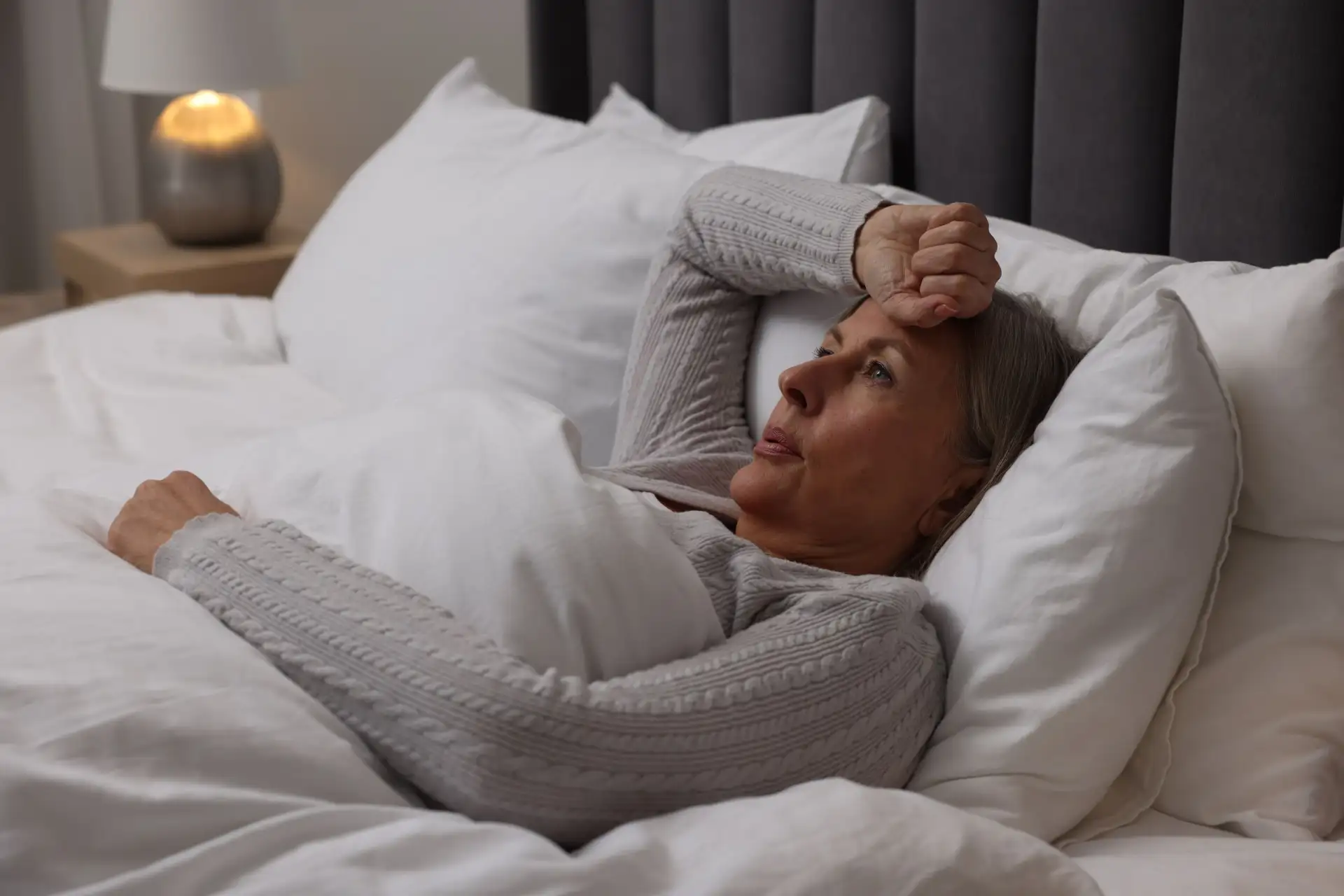
Perimenopause & Menopause: Hormones And Neurotransmitter Changes
Perimenopause is often a time for emotional shifts due to fluctuating hormones, as well as external life pressures (caring for aging parents, career changes, etc). In perimenopause, hormones fluctuate and estrogen and progesterone levels decline. Declining estrogen and progesterone cause shifts in neurotransmitters such as: dopamine, serotonin, and GABA.
- Serotonin: Perimenopause can lower serotonin levels. Lower serotonin levels will lead to issues regulating mood, especially when hormonal fluctuations cause unpredictable serotonin levels. Lower levels of serotonin may also cause depression, and irritability.
- Dopamine: Perimenopause causes dopamine levels to start to decrease. Less dopamine can lead to less motivation, lowered ability to think clearly, and mental fatigue.
- GABA: Perimenopause will lead to a decrease in GABA levels. GABA is a calming neurotransmitter. Less GABA means a decreased ability to manage anxiety and it can contribute to sleep issues/insomnia.

Stress Relief Strategies For Midlife Wellness
There are various coping strategies to help regulate emotions and alleviate some of the stress associated with perimenopause. Everyone is different with what they respond to, and seeking guided help is optimal. A psychotherapist, psychologist, etc may prove invaluable for many individuals. Here are some techniques:
- Breathing exercises: Breathing exercises help manage the physical and mental symptoms of stress, improving mood and well-being. Deep breathing can be helpful to reduce cortisol, the stress hormone, to help lead to physiological changes.
- Deep breathing: Place one hand on your chest and one hand on your stomach. Imagine a spot just below your navel. Breathe into that spot. The hand on your stomach should rise, not the hand on your chest. If your hand on your chest moves then you are breathing with your chest muscles, not doing deep breathing. Take a deep breath in through your nose, and out your mouth. Repeat for 1 minute, stop if you feel light headed.
- Mindfulness and Meditation: Mindfulness and meditation exercises may help women stay grounded and help to focus in on the moment. This can help to reduce feelings of anxiety and promote a sense of calm.
- Progressive muscle relaxation: Get in a comfortable position. Take a few deep breaths, breathing in through your nose, and out through your mouth. Take slow breaths and make sure you are doing “belly breathing.” Scan your body. Notice areas that feel tense, tight, or sore. Imagine the tight areas softening. Start at your head, tighten and relax the muscles of your head such as your jaw. Tighten muscles for 3 seconds then release, picturing all of the tension melting away. Move on to your shoulders, flexing your shoulders muscles for 3 seconds then releasing the muscles fully. Continue down your body, flexing and relaxing all muscles as you go down until you reach your toes. Let go of as much tension as you can. (Stop any movements that cause pain.) Let all of your muscles completely relax. Recall a pleasant thought for a few seconds. Take another deep breath and exhale slowly.
- Yoga: Yoga provides a helpful mind-body connection that can be helpful in perimenopause. It incorporates breath work as well for added benefit.
- Journaling: Journaling is the process of writing down thoughts and emotions. It can be a helpful way to work on processing feelings, and gain insight into what triggers emotional changes.