Food will affect our health and disease. Nutritional counselling address conditions such as PCOS, PMS, thyroid disorders, and the transitions of perimenopause and menopause. There are so many fad diets out there, and diets aren't one size fits all. One dietary approach is right for on individual and not another. I consider each patient’s symptoms and individuality when recommending nutritional changes. Each person’s food intolerances, gut microbiome, digestive function, hormonal status, food preferences, desired prep time, etc. are taken into consideration when making recommendations. Finding the right diet for you can help you to regain vitality and overall well-being.
Existing Patients & Follow Ups
Book Here

.png)
How Nutrition Supports Health in Perimenopause
Nutrition plays a vital role in supporting and optimizing health for women in perimenopause and menopause. Nutritional changes can be helpful to manage perimenopausal symptoms such as hot flashes, sleep issues (like insomnia), mood swings and weight gain. With shifting hormones and metabolism, comes shifts to nutritional requirements. There’s an increased risk of developing cardiovascular disease and osteoporosis that begins during perimenopause. These conditions are greatly impacted by adequate nutrition and should be explored during this period of a woman’s life.
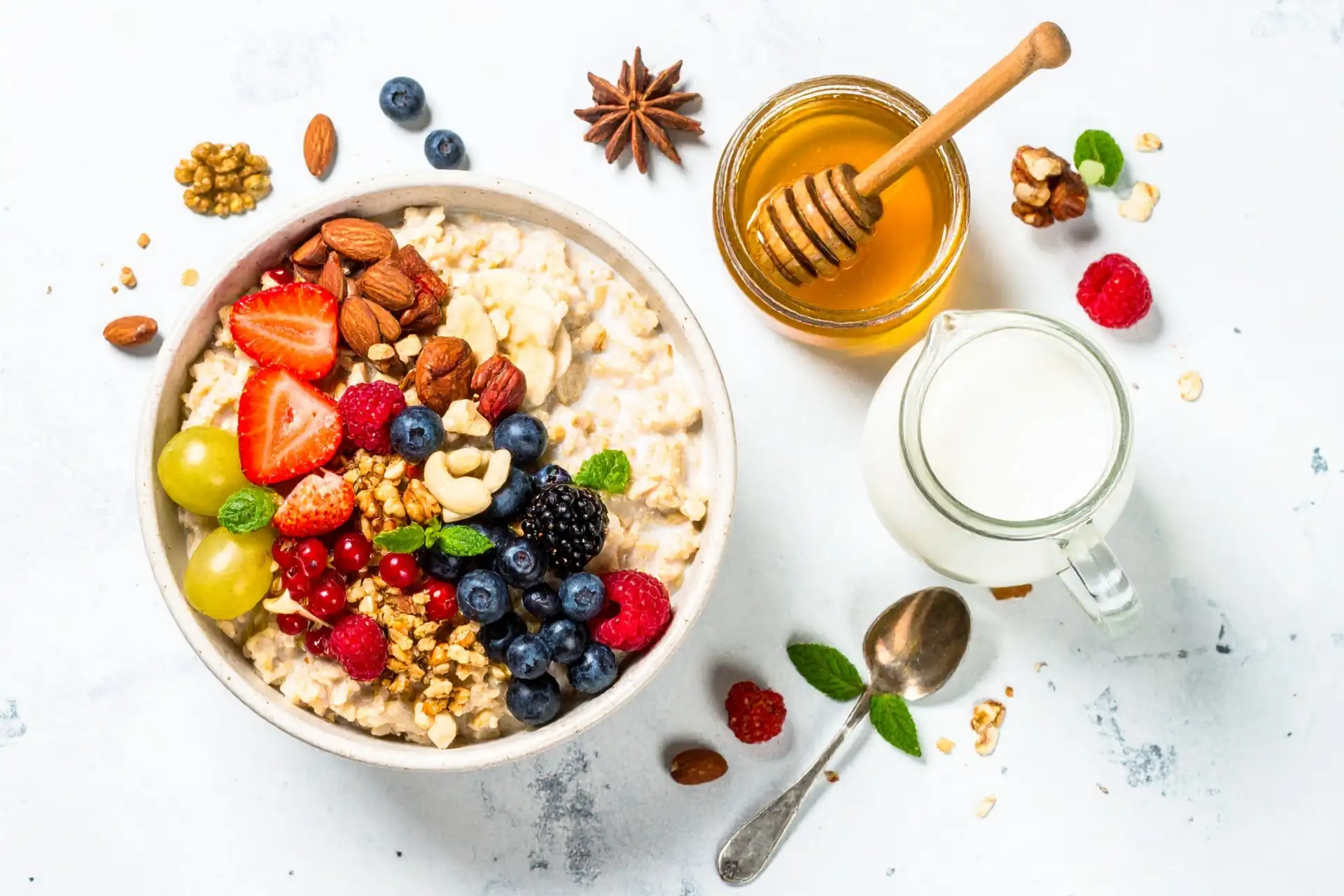
Foods For Perimenopause And Menopause
- Calcium rich foods: Declining estrogen levels in perimenopause puts women at a greater risk of bone density loss. Incorporating calcium-rich foods into your diet becomes important. Some calcium-rich foods include: dairy (milk, yogurt, cheese), dark leafy greens (kale, spinach), soy, canned salmon and sardines with bones, and almonds.
- Phytoestrogens: Phytoestrogens are plant estrogens that can mimic estrogen, helping to modulate fluctuating estrogen levels. This can be particularly helpful for mitigating hot flashes and night sweats. Phytoestrogens are found in foods like soy, chickpeas, red clover, sesame seeds, flaxseed, and berries. Incorporating these foods into your diet may help alleviate menopausal symptoms and support hormonal balance.
- Protein: There is a decline in estrogen levels during perimenopause that can lead to a loss of muscle mass and bone strength. Adequate protein is crucial during perimenopause because it helps preserve lean body mass, bone health, regulates blood sugar, and helps to maintain a healthy body weight.
- Magnesium: Magnesium plays a role in muscle and nerve function and may help alleviate symptoms like muscle cramps and mood swings. Magnesium-rich foods include: nuts, seeds, whole grains, legumes, leafy greens, and dark chocolate.
- Omega 3 fatty acids: Omega 3 fatty acids can help reduce inflammation and support heart health. Some foods that are high in omega 3s include fatty fish (salmon, anchovies, mackerel, sardines), flaxseeds, chia seeds, walnuts, and avocados.
- Fibre-rich foods: Fibre rich foods help to support blood sugar, metabolic health, and promote digestive health. Some fibre-rich foods include: berries, pears, legumes, nuts, and seeds.